For many vegetable growers, the season is in full swing. All that hard work in season preparation, planting and maintenance is paying off with harvest. One of the on-going season maintenance issues is applying fungicides. In other articles, I have described how and when to spray. In this article, I want to address when to stop. To limit the scope…Read more about When to Stop Spraying Fungicide[Read More]
Cucurbits
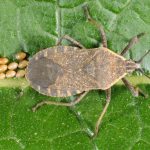
Squash bug is the most consistent insect pest of squash and pumpkins and is the most difficult to control. The key to management is early detection and control of the nymphs. The adults are extremely difficult to kill (Figure 1). Foliar insecticides should be applied to control the nymphs (Figure 2) when you have more…Read more about Squash Bugs[Read More]
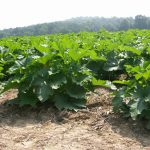
I have received several calls about pumpkins recently. This article will outline a few steps growers should think about to prevent diseases in pumpkins. Virus diseases – There are several virus diseases that affect pumpkins in the Midwest. The most important diseases include: papaya ring spot, watermelon mosaic and zucchini yellow mosaic virus. Aphids transmit all these…Read more about Pumpkin Disease Management Steps[Read More]
This disease is more likely to develop during periods of heavy rains in relatively poorly drained soils. June started out dry for many areas of Indiana, however recent rains increase the likelihood of Phytophthora diseases. Phytophthora fruit rot of watermelon causes large, soft areas to develop on mature watermelon fruit. These lesions can be several inches…Read more about Phytophthora Fruit Rot of Watermelon[Read More]
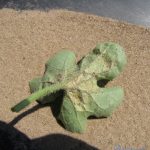
We have received a number of reports of outbreaks of spider mites, primarily in watermelons in the field and cucumbers in high tunnels. Spider mite damage can be recognized by the chlorosis often observed on older leaves (Figure 1). Plus, the underside of leaves affected by spider mites often appears ‘dirty’ due to the debris caught…Read more about Spider Mites[Read More]
We sometimes hear that excessive nitrogen could delay fruit set, stimulate excessive vine growth, and depress overall yield of pumpkins, but it is often unclear how much nitrogen is too much. This article reviews research on nitrogen fertilizer rates for pumpkins, and discusses the potential factors that might affect the recommended nitrogen rate. In a…Read more about How Much Nitrogen is Too Much for Pumpkins[Read More]
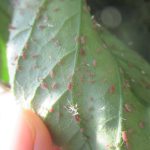
We have begun to receive the first reports of aphid outbreaks in high tunnels on tomato, pepper, and cucumber (Figure 1). Aphids are a very common problem in high tunnels because the covering excludes rainfall, which is a major mortality factor for small insects like aphids. Some growers are interested in using biological control in…Read more about Aphids in High Tunnels[Read More]

White mold of watermelon – Usually when I write about a vegetable disease it is because the disease may cause important economic loss. Once in a while, however, a disease I find is more a curiosity than a real problem. So, go ahead and read this article about white mold of watermelon. But please don’t worry about…Read more about White Mold of Watermelon[Read More]
Read more about White Mold of Watermelon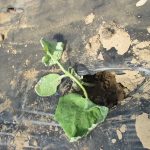
Last week, we received calls from several watermelon growers who reported that their newly planted watermelon seedlings had died (Figure 1). After closely inspecting the affected plants, we did not find any pathogens. This reminded us of what happened to our cucumbers back in early April in our high tunnel. We will review the cucumber…Read more about Establishment Failure of Watermelon and Cucumber Transplants Because of Low Soil Temperatures[Read More]
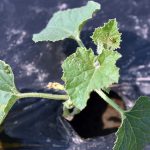
We found our first striped cucumber beetle on Friday, May 20 and several more on May 23 (Figure 1). Given the cool weather, this is a little earlier than we would have expected. As the temperatures warm up this week, it would not be surprising for cucumber beetles to become very numerous in our melon…Read more about Striped Cucumber Beetles[Read More]