One way insects communicate with individuals of the same species is with pheromones. Pheromones are volatile chemicals released by an insect that usually can be detected only by individuals of the same species. There are a number of different types of pheromones, but the most common type is the sex pheromone. Usually the females will…Read more about Pheromones and Pheromone Traps[Read More]
Tomato
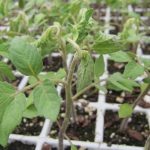
Tomatoes grown in controlled environment are exposed to conditions that are different from their original habitats. As a result, varieties that are not specifically bred for greenhouse production may respond to the controlled environment with abnormal symptoms. One group of the symptoms is called edema. Bumps, galls or blisters develop on tomato leaves, petioles or…Read more about Edema on Tomato Rootstocks[Read More]
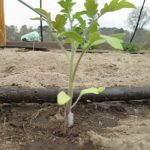
You might have heard about tomato grafting, or you might even already have tried the new technique. Yes, it has multiple benefits: control of soilborne diseases, enhanced tolerance to abiotic stresses, and increased productivity. It works for some growers, but not all. Why? There are several reasons. First, effects of grafting on controlling soilborne diseases…Read more about Are You Interested in Tomato Grafting?[Read More]
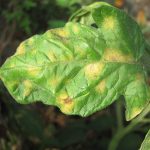
This disease does not typically affect Indiana tomatoes, instead preferring tomatoes grown in tropical and sub-tropical areas. Since Cercospora leaf mold was observed in two different areas of Indiana in the 2015 season, it makes sense for growers to become aware of this disease in case it returns to Indiana in 2016. The two locations…Read more about Cercospora Leaf Mold of Tomato[Read More]
Late blight has been reported on processing tomatoes in Cass County Indiana. This is a late blight update from when this disease was reported on potatoes and tomatoes in LaGrange County Indiana. The latter outbreak and some disease management tips are reported in the Vegetable Crops Hotline Issue 603 at ag.purdue.edu/hla/Extension/VegCropsHotline/Pages/Latest-Articles.aspx?article=117 This article was originally…Read more about Late Blight on Tomato Update[Read More]
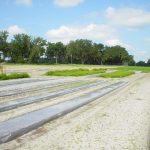
Tomato growers who utilize high tunnels to reach early markets often find that there are few economic alternatives to tomato. Therefore, many growers grow tomatoes after tomatoes instead of rotating to a different crop. The repeated cropping of tomato in the same area can lead to disease problems such as Fusarium crown rot and white…Read more about Soil Solarization[Read More]
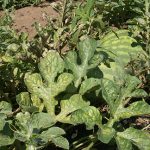
We have received a number of reports of outbreaks of spider mites, primarily in watermelons and in high tunnels. The problems in high tunnels are not unexpected because one of the primary causes of mortality in mite populations is rainfall washing them off the plants and, of course, that is lacking completely in high tunnels….Read more about Spider Mites[Read More]
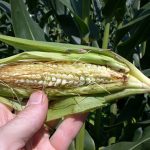
I have seen more green stink bugs this year than at any time in my career. I have no logical explanation for their abundance. It was thought that as the invasive brown marmorated stink bug became established, it might outcompete the native stink bugs such as the green stink bug, causing numbers to decrease. However,…Read more about Green Stink Bug[Read More]
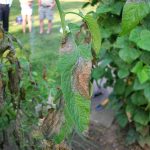
Late blight has been reported on potatoes and tomatoes in LaGrange County.Potato and tomato growers in northern Indiana should follow the management recommendations listed below and in the Midwest Vegetable Production Guide for Commercial Growers 2015 (ID-56). Late blight thrives under cool, wet conditions. The disease can easily spread from plant to plant. Under ideal…Read more about Late Blight in LaGrange County[Read More]
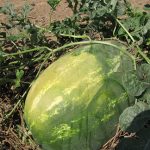
Loss of foliage due to poor growing conditions or disease can cause fruit to be exposed to the sun. Hot temperatures and direct sunlight can lead to areas of the fruit that appear bleached or sunburned. Sunburned fruit may not be marketable. To reduce the probability sunburned fruit, every effort should be made to maintain foliage…Read more about Sunburn on Vegetables[Read More]