
March has been welcoming Indiana like a lion with below-normal temperatures and a combination of above and below normal precipitation (see figure). Snowfall accumulated across the state ranging from less than 1” in the southwest and northwest to as much as 3-4” in the southeast part of Indiana. This precipitation has caused drought to be…Read more about Indiana Climate and Weather Report[Read More]
Climate and Weather


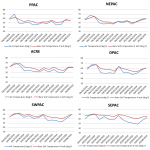
Soil temperatures are critical for seed germination and are closely related to occurrences of some early season soilborne disease and pest problems on vegetable crops. Plant vegetable crops after the soil is warm enough ensure good seed germination and fast crop establishment. The figures below show daily average soil and air temperatures at recorded at…Read more about Soil Temperatures in the Past Two Weeks[Read More]
I have never had as many questions about how to use MELCAST as I did in 2015. The interest in this program is growing both here in Indiana and nationally. Read on to find out how to apply fungicides according to the weather and perhaps save money in the process. MELCAST (MELon disease foreCASTer) is…Read more about MELCAST 2016[Read More]
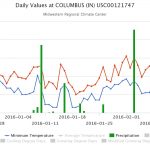
Winter is coming to a close in about a month, and the coldest of the days should be behind us at this point. Here in Indiana, El Nino usually points to a warmer, drier kind of winter. With the past El Nino being considered one of the strongest on record, how much did the warm…Read more about Weather Update Winter 2016[Read More]
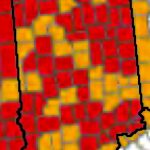
On August 12, 2015, USDA designated 88 counties in Indiana as natural disaster areas due to heavy rainfall since May. The four counties not designated disaster areas are LaGrange, Perry, Spencer and Steuben. Farm operators in the ‘disaster’ counties are eligible for low interest emergency loans from the Farm Service Agency, provided they meet…Read more about USDA Designates Disaster Areas in Indiana[Read More]
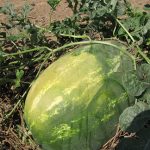
Loss of foliage due to poor growing conditions or disease can cause fruit to be exposed to the sun. Hot temperatures and direct sunlight can lead to areas of the fruit that appear bleached or sunburned. Sunburned fruit may not be marketable. To reduce the probability sunburned fruit, every effort should be made to maintain foliage…Read more about Sunburn on Vegetables[Read More]
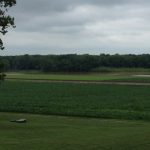
With the record-setting rainfall we’ve seen over the past month, flooding of fields is very widespread (Figure 1). Fields that have experienced flooding present growers with difficult management choices. Flooding is defined (per FDA) as the “flowing or overflowing of a field with water outside a grower’s control.” Flooding is associated with streams, creeks, or…Read more about Food Safety Considerations for Flooded Vegetable Crops[Read More]