
The Purdue Small Farm Education Field Day proved that dedicated growers won’t let summer temperatures dampen their enthusiasm for learning. Despite the hot weather, 63 attendees gathered at the Purdue Student Farm yesterday to participate in comprehensive demonstrations and presentations focused on small-scale farming solutions. The event, co-hosted by the Department of Horticulture and Landscape…Read more about Purdue Small Farm Education Field Day Draws 63 Attendees Despite Summer Heat[Read More]
Found 1716 Articles
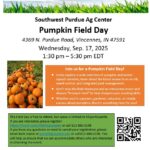
Mark your calendars for an exciting educational opportunity! The Southwest Purdue Ag Center invites you to join their Pumpkin Field Day on September 17, 2025, from 1:30-5:30 pm EDT at 4369 N. Purdue Road, Vincennes, IN 47591. This hands-on event provides participants with the opportunity to explore a diverse range of pumpkin and winter squash…Read more about Southwest Purdue Ag Center Hosts Pumpkin Field Day[Read More]
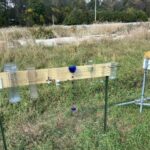
This article was originally published in the Michiana Irrigation Association Summer Newsletter. The Michiana Irrigation Association (MIA) Board, working in conjunction with Purdue and Michigan State University Extension, produces the summer newsletter for those who irrigate, irrigation industry professionals, and the state agencies that serve them. One of the best tools for managing irrigation and…Read more about Rain Gauges Are One of the Best Low-Cost Tools for Saving[Read More]
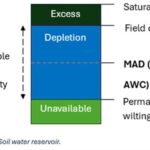
This article was originally published in the Michiana Irrigation Association Summer Newsletter. The Michiana Irrigation Association (MIA) Board, working in conjunction with Purdue and Michigan State University Extension, produces the summer newsletter for those who irrigate, irrigation industry professionals, and the state agencies that serve them. Timing and application rate are critical when it comes…Read more about Applying Water at the Right Time and in the Right Amount[Read More]

The heat and humidity have returned to the state, as heat indices soared above 100°F on Wednesday and Thursday (July 23-24) this week. The National Weather Service issued heat advisories that spanned from northeast Texas to northeast Ohio on July 24. Over the last 7-day period (July 16-22), average temperatures ranged from near normal in…Read more about Hot and Humid Weather Persists, but a Cool Down is Expected During the First Week of August[Read More]
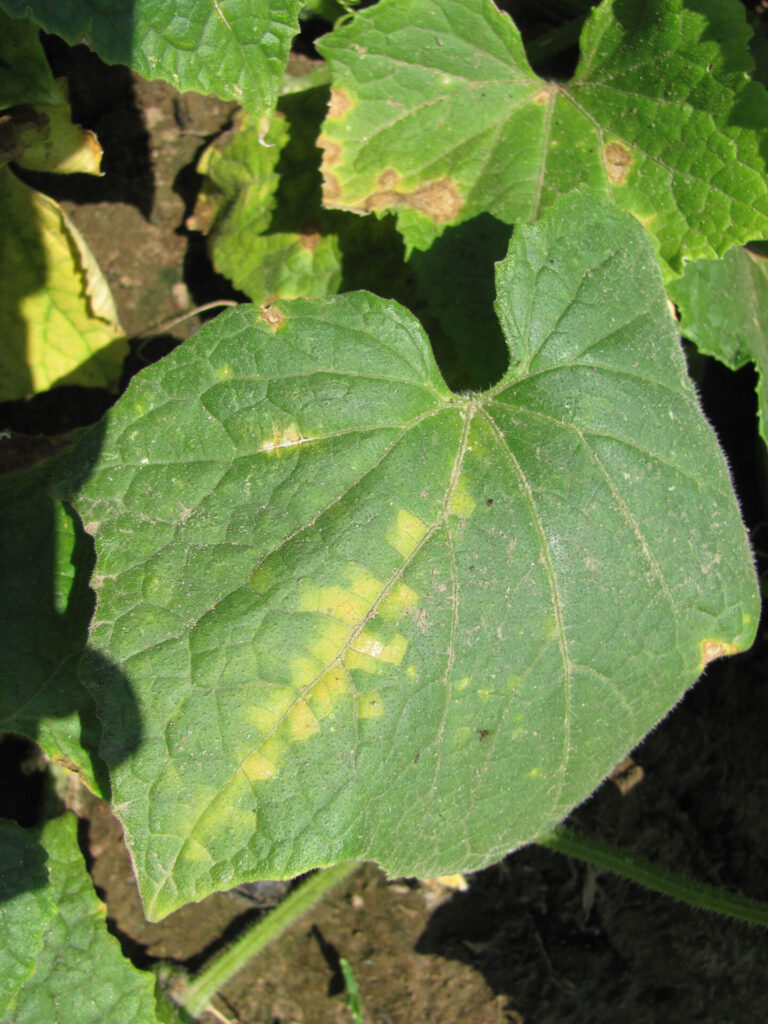
Last week, cucurbit downy mildew (Pseudoperonospora cubensis) was reported on cucumber in southwest Kentucky and northern Ohio. Last month, the disease was also reported in cucumber crops in Michigan. Being that close to Indiana, it is a good time to stay alert and scout fields for symptoms related to this disease. Remember, early detection of…Read more about Downy Mildew Confirmed in States Surrounding Indiana[Read More]
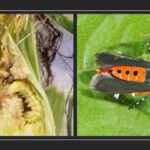
Squash Vine Borer https://extension.entm.purdue.edu/veg/squash-vine-borer/ The number of participants reporting trap catches has declined dramatically. Clinton, Allen, and Henry Counties are consistently reporting 1-4 moths per night. It seems that these populations didn’t get the memo that they are supposed to coordinate their mating during one concentrated time point in the summer. Regardless, at this…Read more about Insect Trapping Updates[Read More]
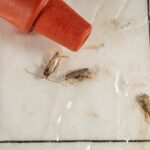
If you are a high tunnel tomato grower, you may have encountered small, blotchy leaf mines (Figure 1) or tiny brown mottled moths (Figure 2) on your plants in the past few years. These tiny pests are the tomato pinworm, Keiferia lycopersicella (family Gelechiidae). They should not be confused with the leaf mining fly, Liromyza…Read more about Insect Spotlight: Tomato Pinworm[Read More]

The survey examined how farmers integrate decisions across three critical areas: farm business planning, production management, and food safety practices. Participants were asked detailed questions about their operational decisions, the timing of various planning activities, and the people involved in farm decision-making processes. The research team sought to understand what decisions farmers make and when…Read more about Understanding Farm Decision-Making: Insights from the 2024-2025 Producer Survey[Read More]

Fruit cracking is one of the most commonly observed disorders affecting many fruit crops. Cracking can occur in different forms, such as radial splits extending from the stem end, splits at the blossom end, or concentric rings around the fruit. Research has shown that multiple factors influence fruit cracking. Some cultivars are more susceptible to…Read more about What Caused the Cracking of Tomatoes and Melons?[Read More]
Purdue University prohibits discrimination against any member of the University community on the basis of race, religion, color, sex, age, national origin or ancestry, genetic information, marital status, parental status, sexual orientation, gender identity and expression, disability, or status as a veteran. This material may be available in alternative formats. 1-888-EXT-INFO Disclaimer: Reference to products in this publication is not intended to be an endorsement to the exclusion of others which may have similar uses. Any person using products listed in this publication assumes full responsibility for their use in accordance with current directions of the manufacturer.