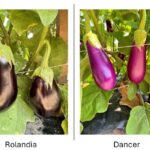
2024 Field Trial Shows Yield Differences Between Italian and Asian Cultivars As part of Purdue University’s Field Production of Horticulture Crops class, Dr. Langenhoven established a comprehensive eggplant cultivar demonstration at the Meigs Horticulture Facility near Lafayette during the 2024 growing season. This hands-on educational project served a dual purpose: providing students practical crop management…Read more about Italian vs. Asian Eggplant Cultivars: Performance Comparison for Indiana Commercial Production[Read More]
Solanaceous Crops
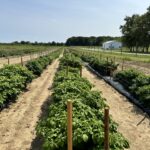
After a family vacation to Jamaica in 2023, Dr. Langenhoven at Purdue University recognized the potential for Scotch Bonnet peppers as a high-value specialty crop for diversification on Indiana farms. This led to a 2024 research trial at the Meigs Horticulture Facility (Throckmorton Purdue Ag Center) near Lafayette to evaluate the commercial production potential of…Read more about Specialty Crop Opportunity: First-Year Results of Scotch Bonnet Pepper Trials[Read More]
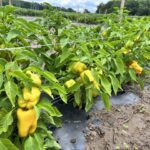
Planning your vegetable varieties for the upcoming season? Purdue University has maintained comprehensive records of vegetable variety trials throughout the Midwest since 1999. The Midwest Vegetable Trial Report series offers valuable applied research findings specifically relevant to vegetable and melon production in the Midwest region. Below, you’ll find abstracts from the most recent reports. For…Read more about Data-Driven Decisions: Choosing Vegetable Varieties with Midwest Trial Results[Read More]
Earlier this year, FMC released a supplemental label for Anthem® Flex herbicide that includes additional uses for potatoes and mint. Anthem® Flex is a premix product containing pyroxasulfone (the active ingredient in Zidua® SC) and carfentrazone (the active ingredient in Aim® EC). Carfentrazone, a postemergence contact herbicide, is registered for use in Indiana for both…Read more about New Anthem® Flex Supplemental Herbicide Label for Mint and Potatoes[Read More]
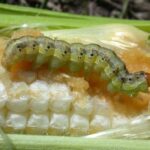
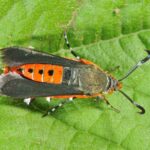
Squash Vine Borer While we have disseminated several Delta traps throughout the state, we are getting few reports back from collaborators. Those who have reported recently (Allen, Marion, and Knox Counties) are all still reporting adult moths being active and caught in traps. Corn Earworm Be sure that you are monitoring your dent corn in…Read more about Insect Trapping Updates Jul-23, 2024[Read More]
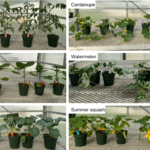
This week, several regions of Indiana experienced excessive rainfall due to the remnants of Hurricane Beryl passing through the state. The heavy rain caused flooding in some vegetable fields. When soil water levels surpass optimal requirements, oxygen is depleted, leading to waterlogging stress for the plants. Figure 1 displays the varied responses of different crops…Read more about Vegetable Responses to Waterlogging Stress[Read More]
I monitor three different insect pests with pheromone traps to help make informed decisions about when to spray insecticides or take other actions for management. Trap data can be found on the Extension Entomology Vegetables Website. The longest-running is the corn earworm (Figure 1) trapping network. Purdue Meigs farm, in Tippecanoe County, is still catching…Read more about Insect Monitoring Updates[Read More]
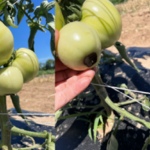
It seems the season has shifted abruptly from wet to dry. Over the past week, we’ve begun to hear reports typically associated with hot and dry conditions. At the Southwest Purdue Agricultural Center, we conduct side-by-side comparisons of different fruiting vegetables under varying irrigation treatments. This article summarizes our observations on how different fruiting vegetable…Read more about Fruiting Vegetable Responses to Drought Stress[Read More]

During a recent visit to some potato fields by an Extension Educator in LaGrange County, it was evident that growers need to be on the lookout and take action against some of our major pests in this cropping system. These recent observations revealed cutworms present and impacting every 5th plant in the field, as well…Read more about Potato Pests Abundant in Northern Indiana in late May[Read More]
Are you still thinking about varieties for the upcoming season? Purdue has been keeping a record of vegetable variety trials in the Midwest since 1999. The Midwest Vegetable Trial Report series includes reports of applied research relevant to vegetable and melon production in the Midwest. Here are some abstracts of the most recent reports. Visit the Midwest Vegetable…Read more about Selecting Vegetable Varieties for Your Farm[Read More]